
Something is fundamentally broken in American politics, and most people know it. Across party lines and demographic groups, citizens express deep dissatisfaction with how the country is being governed. The problems feel bigger than just bad policies or incompetent leaders.
For fifty years, both parties have exploited that widespread frustration to advance the same stale agendas they’ve always promoted. Republicans point to government dysfunction and propose tax cuts and deregulation. Democrats point to corporate excess and identity politics, and propose more programs and oversight. Both approaches miss the fundamental issue: ordinary citizens have lost meaningful influence over decisions that affect their daily lives. Whether it’s healthcare costs, housing prices, job security, or political representation, the system consistently delivers outcomes that benefit narrow interests while leaving everyone else to manage the consequences.
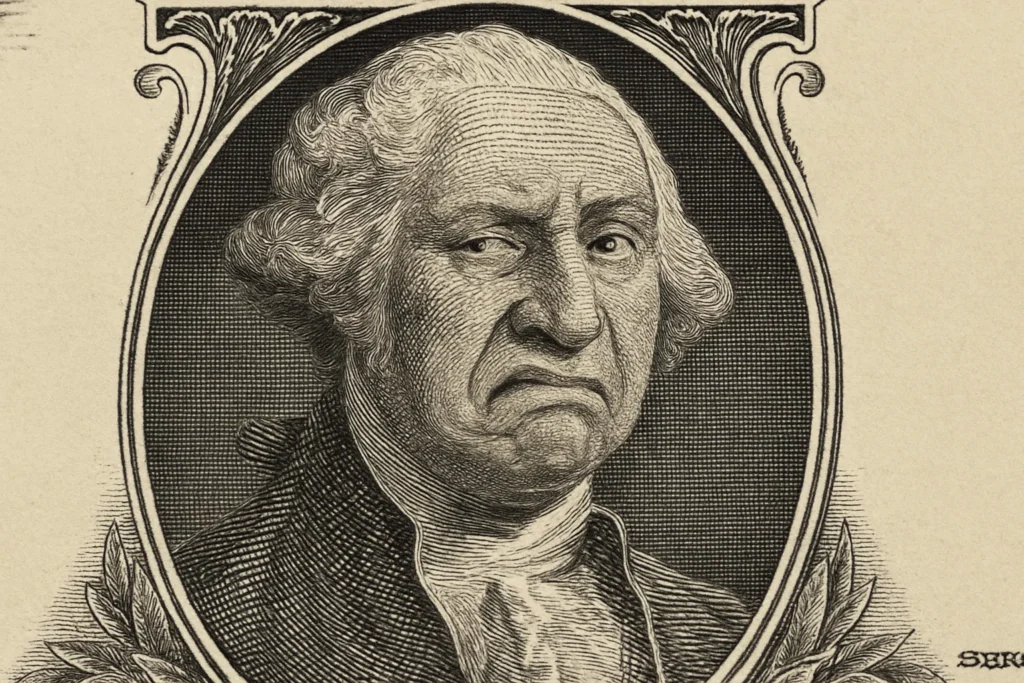
The symptoms are everywhere: government that responds to wealthy donors rather than voter preferences, regulatory agencies captured by the industries they’re supposed to oversee, economic policies that concentrate wealth while leaving most families struggling, political institutions that seem designed to prevent rather than enable effective governance. People sense they’ve become pawns in a game rigged by established power, but the complexity of modern policy makes it difficult to identify specific solutions.
This isn’t a problem we can reform our way out of. The current system isn’t malfunctioning—it’s working exactly as designed, just not for the people it’s supposed to serve. The concentration of wealth, power and entrenched privilege has reached levels that undermine the basic democratic premise that citizens should have meaningful influence over their government and economy.
What we need isn’t better politicians or minor policy adjustments, but fundamental reconsideration of how American institutions should operate in the 21st century. The essays that follow explore a comprehensive policy framework that could restore genuine democratic governance, economic opportunity, and individual agency—not through incremental reforms, but through systematic transformation that aligns political and economic institutions with enduring American values of fairness, empowerment, freedom, and broadly-shared progress.
The stakes are clear: either we consciously redesign our institutions to serve democratic purposes, or we accept continued drift toward oligarchy disguised as democracy. The choice remains ours, but the window for deliberate change may not remain open indefinitely.