Publicus

Publicus

Progress – A Story in Graphs


This is progress?

We measure economic success by GDP growth. But what happened to the things that determine whether people's lives are actually better? Health indicators, community bonds, financial stability, personal relationships—the data reveals patterns that demand explanation.


Realignment: We’re overdue.


Sometimes you come to the point where old solutions no longer work. We're there.

Since Ford, American presidents haven't attempted the transformative governance that characterized earlier eras. Every election since 1976 has been won by whoever promised the most change, yet fundamental change never materializes. The political system converts authentic concerns into tribal ammunition rather than constructive solutions.

John Rawls and the Veil of Ignorance


Want to build a fair society? John Rawls offers a brilliant perspective

John Rawls asked: what society would you design if you didn't know whether you'd be born wealthy or poor, healthy or disabled, privileged or marginalized? The answer reveals how far current institutions have drifted from what rational people would choose if they couldn't predict their position.

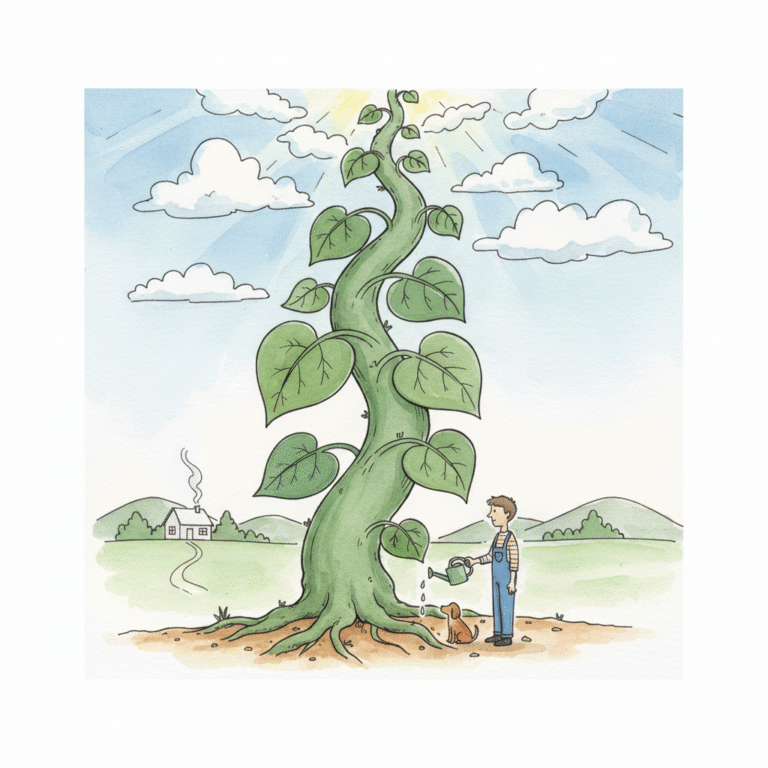
A Garden, not a Jungle


The shape of our civilization is not natural law

The myth that prosperity emerges when governments step back ignores how actual development works. Thriving societies require patient institutional cultivation—building frameworks where innovation determines success rather than inherited advantages or market manipulation.

The Prerequisites of Capitalism


Capitalism works brilliantly, but only in the right environment

Economic theory assumes consumers can meaningfully evaluate their choices, new competitors can enter markets, and prices reflect true costs. When these conditions vanish—and they have—calling the result "capitalism" creates confusion about what's actually happening and why.

The Growth Imperative


The investor-lead search for infinite growth eventually turns companies against their customers

For most of human history, successful businesses reached optimal size and stayed there for generations, focused on quality and serving their communities. Modern corporations are legally required to grow forever—a mandate that turns companies against their customers, workers, and communities. When companies saturate their markets, they degrade quality, create artificial demand, or financialize operations rather than accept stability.

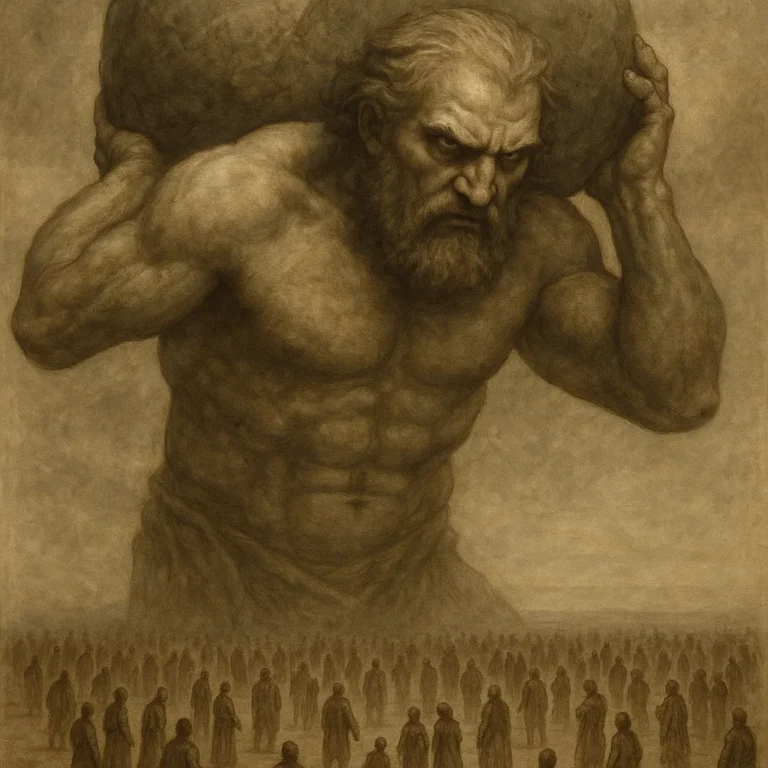
Power: the American Fear


Why we've always distrusted concentrated power"

John Adams warned that even in perfect democracies, people with talent, wealth, or charisma accumulate more influence than their single vote. The Founders designed the Constitution to scatter power deliberately, making it compete with itself. This anti-power-concentration principle wasn't something that evolved—it was fundamental from the beginning.

The Invisible Foundation


Policies reveal a moral regime. What is ours?

Successful political systems rest on invisible architectures—shared expectations, behavioral norms, and mutual obligations that citizens take for granted until they disappear. When market logic penetrates every sphere of life, the habits that enable democratic cooperation systematically atrophy.

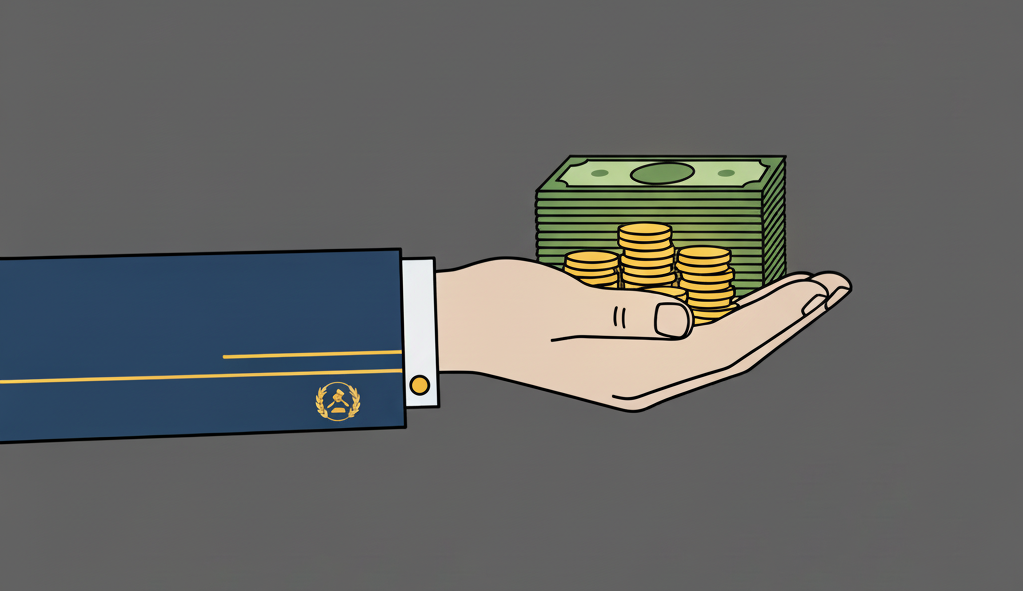
Corruption: The Tax You Don’t Know You’re Paying


In a corrupt society, you can't plan for anything

American corruption doesn't involve briefcases full of cash. It's hiring former regulators as consultants, funding think tanks, and making strategic campaign contributions. The mechanisms are more sophisticated, but the effects are the same: resources get misallocated and everyone except insiders pays the price.

Corporate Personhood


The legal fiction that bent American history

Corporate personhood—the idea that corporations deserve constitutional rights—began not with a Supreme Court decision but with a court reporter's headnote in 1886. That reporter happened to be a former railroad president. Today, corporations claim free speech rights to influence elections, spending billions to shape policy while ordinary citizens watch from the sidelines.