
Category The Culture

Policy as Moral Architecture
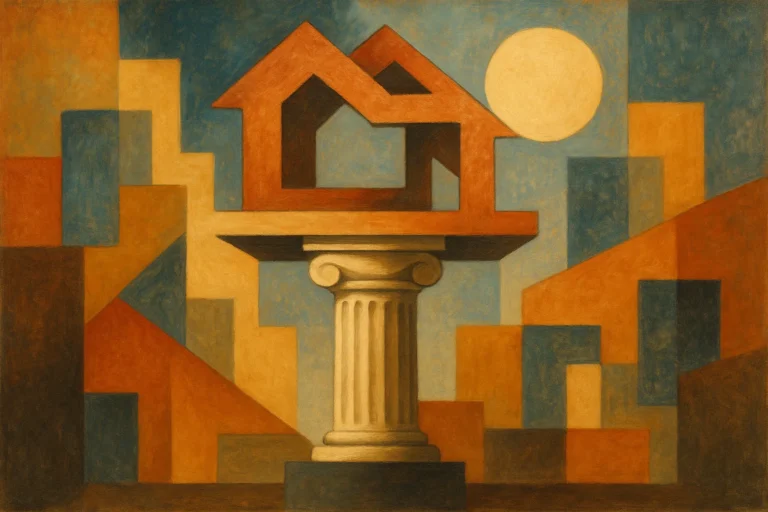

If our government doesn't match our values, they will break each other

Institutional forms that worked for an expanding industrial nation may not serve a post-industrial democracy. The challenge isn't returning to imagined past consensus, but developing new arrangements that allow enduring American values to function effectively under changed material conditions.

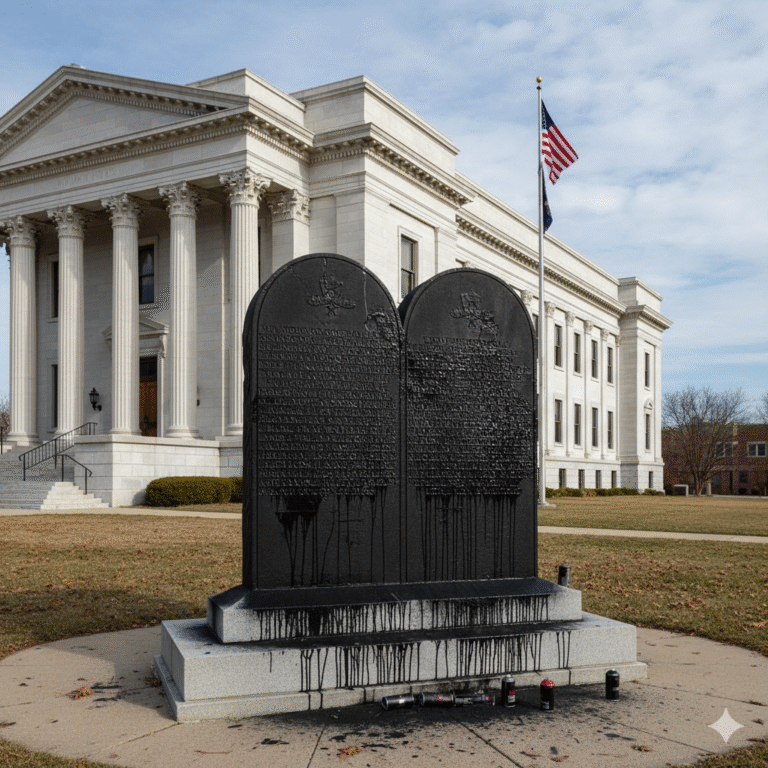
How Power Changes Us


The powerful are not like the rest of us. That's a problem.


Power doesn't corrupt because powerful people choose evil. It alters human psychology—diminishing empathy, impairing perspective-taking, making it neurologically difficult to understand how actions appear to those without power. Traditional solutions prove inadequate when individuals can accumulate global influence while remaining isolated from its effects.

Sacred Stories in a Secular Age


We have separation of church and state. That doesn't require pretending that religion doesn't exist.

The abolitionists, civil rights leaders, and labor reformers drew heavily on religious language to challenge injustice. When we strip away the stories and traditions that shaped our understanding of right and wrong, we don't create neutrality—we create a vacuum.